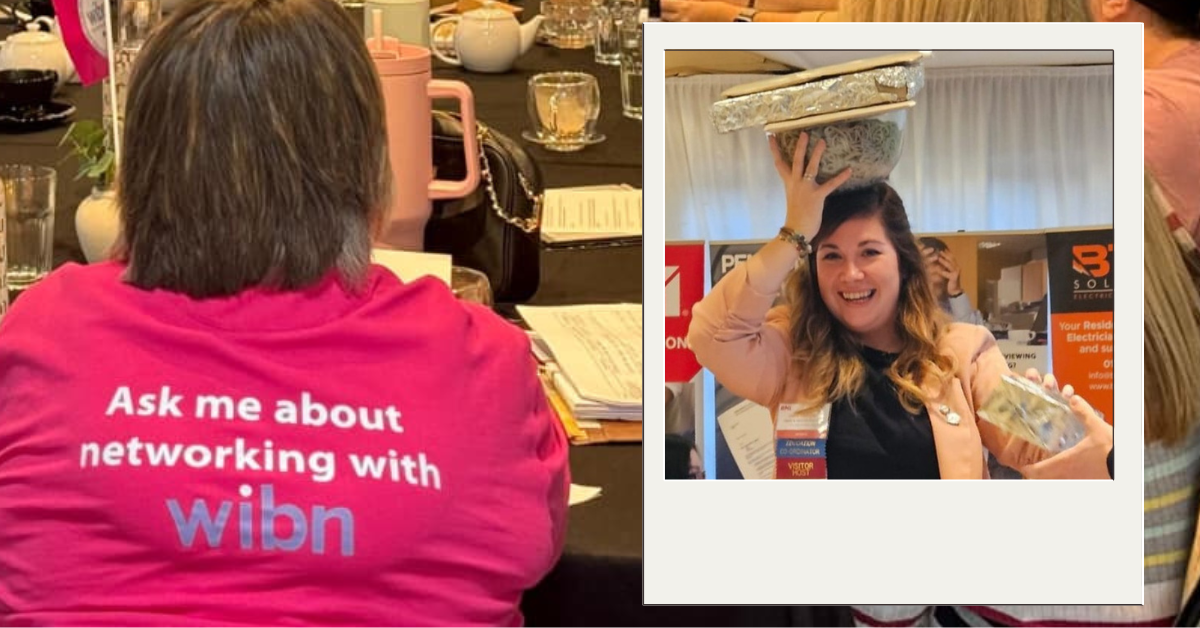
Five years ago, I wrote a lead magnet called “How I set up an Interior Design business whilst working a full-time job”. At the time, it was a practical guide – ten steps that helped me move from a secure corporate role into self-employment at the age of 50.
It wasn’t written with hindsight. It was written from the middle of the decision-making, the planning, and the quiet fear that comes with changing direction later in life.
Now, five years on, I’m revisiting those same ten steps, not to rewrite them, but to answer them. Because experience changes everything. And what felt sensible, essential, or even non-negotiable back then looks very different now.
This is an honest reflection on what held up, what evolved, and what I’ve learned along the way.
Step 1: Saving one year’s worth of living expenses before going full-time
Then vs five years on
Saving one year’s worth of living expenses felt like the most responsible thing I could do before leaving paid employment after 30+ years. I wanted security. I wanted space. I wanted to know I wasn’t stepping into panic mode from day one.
Five years on, that money is well and truly gone.
Not in the first year, but over time. I’ve dipped back into savings more than once to bolster the business, and I know that’s a reality many business owners don’t talk about openly. I have been good at tracking expenses and only paying for what I genuinely need, but in hindsight, that caution has sometimes held me back from investing in the support that would have helped the business grow faster.
It’s only more recently, particularly through 2025, that I’ve invested more intentionally in help and support to move the business forward.
The biggest lesson from this step hasn’t actually been about savings at all.
It’s been about recurring revenue.
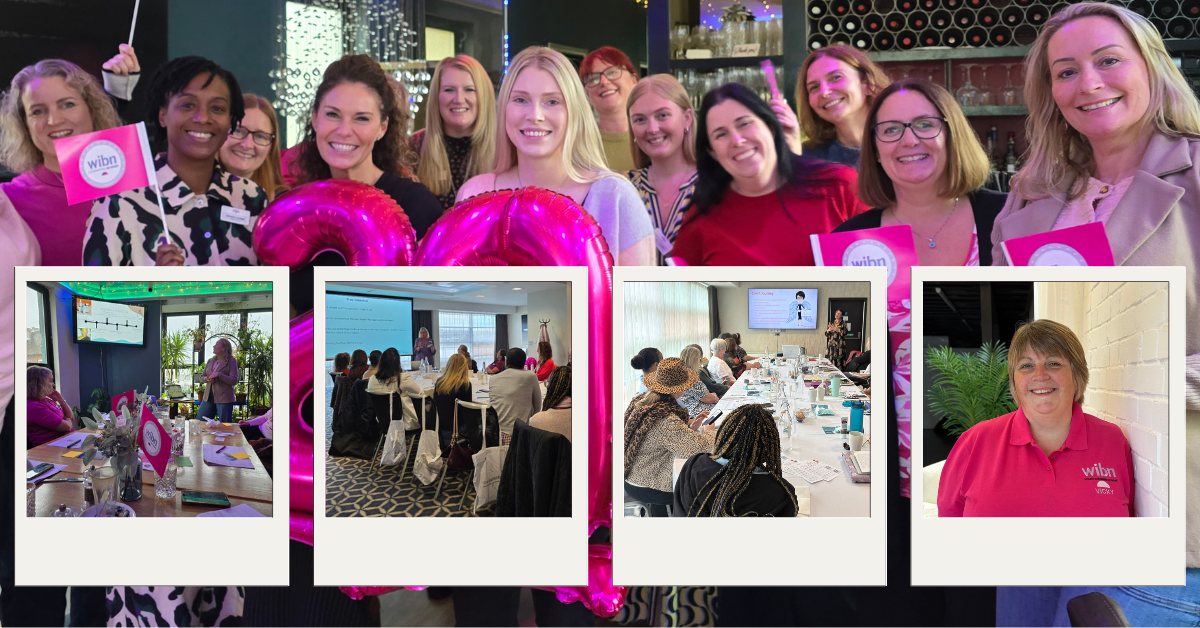
For a long time, much of my work was one-off projects: design work, standalone strategy workshops, short-term support. Running the Women in Business Network (WiBN) has shown me just how important predictable income is. Not just financially, but mentally. Having that regular “dollop” of money coming in removes the constant feeling of chasing the next sale.
Five years on: savings gave confidence at the start but recurring revenue gives longevity.
Step 2: Upskilling while working full-time
Then vs five years on
This is one thing that hasn’t changed and probably never will. I am a perpetual learner.
I still read, still join free webinars, still explore new ideas and new technology. Over the years, that learning has evolved. I completed an ADHD certification because I recognised I wasn’t supporting some clients as well as I could be. I’ve learned how systems and tech fit together, and how to use technology in a way that actually simplifies business.
But the biggest shift in my thinking is this: just because I can learn how to do something, doesn’t mean I should.
In 2025, I invested in having automations built for WiBN. I could have figured it out myself, but it would have taken far longer and realistically, I’d probably still be drowning in admin.
Five years on: being a learner is a strength but knowing when to delegate creates momentum.
Step 3: Using free challenges and webinars to learn
Then vs five years on
I still take part in free challenges, webinars, and events, as long as they sit firmly in my sweet spot of learning. The difference now is awareness.
I go into anything free knowing there will be a sales pitch at the end and that’s okay. Early on, I probably opened my purse too quickly. Now, I’m far more discerning. I’ll always take value from free learning, but I’m much clearer about whether the paid offer is something I genuinely need.
I’ve also learned what works best for me. I don’t enjoy long live sessions followed by tasks. I much prefer receiving activities by email, doing the work in my own time, and then sharing progress in a community space.
I’m also very open to low-cost challenges. Paying £29 or £39 creates skin in the game.
Five years on: free learning has value, pitches are part of the ecosystem, and discernment is the skill that comes with experience.
Step 4: Joining a local networking group to build business connections
Then vs five years on
This step has been fundamental. Networking didn’t just keep my business afloat, it built it. From my interior design work, to mentoring, to now owning a network, relationships and referrals have been at the heart of everything.
I haven’t made a huge number of sales through social media or email campaigns. The work has come from conversations, trust, and people sharing what I do because they know me.
In 2024, I set myself a challenge to have a one-to-one conversation with someone new every weekday for three months. The relationships that came from that were invaluable and I know I’ll continue doing this kind of intentional connection work well into the future.
What still amazes me is this: five years ago, I didn’t even know networking existed. Now, I own a network.
Five years on: business is built in rooms, not algorithms.
Step 5: Finding (and creating) the right business tribe
Then vs five years on
Being part of a tribe mattered hugely at the start. It was reassuring to be in a space where everyone was facing similar challenges.
But once I started mentoring, staying in that tribe no longer felt aligned. It became a conflict of interest, and recognising that mattered. So I left.
What surprised me was how quickly I realised I still needed a tribe so I did my own. I built my own community, and people followed.
Today, tribe means real connection, shared challenges, and human interaction. I also know that if I don’t spend time with real people, I go slightly stir-crazy working alone in my office.
Five years on: sometimes growth means outgrowing a space and having the courage to create your own.
Step 6: Working for free : when it helped and when it didn’t
Then vs five years on
Offering free work made sense when I was entering a brand-new industry at 50. It allowed me to test systems, build confidence, and decide whether I actually enjoyed the work.
I still offer things for free or at very low cost now, but always with intention. Free is no longer open-ended. There is always clarity around why I’m doing it and what the outcome should be.
Five years on: free is fine when it’s strategic, not when it’s driven by fear or imposter syndrome.
Step 7 & 8: Learning through books, audiobooks, and podcasts
Then vs five years on
These days, I listen more than I read.
Daily dog walks have become my learning time through audiobooks and podcasts, often leading me from one to the other. I share what resonates because learning becomes more powerful when it’s passed on.
Some of the business books I return to or recommend often include:
- Dopamine Nation by Dr. Anna Lembke (my current listen)
- Books by Alex Hormozi, which I find fascinating from a commercial and strategic perspective
- Everything Is Figureoutable by Marie Forleo, a book I read every year
- Books and videos by Daniel Priestley, which always makes good sense with the move to a digital world
- Anything by Brene Brown – read, listen, or watch
When it comes to podcasts, they’ve probably overtaken books in terms of volume. My regular listens include:
- My First Million, which I tune into weekly
- A Little Bit of Optimism by Simon Sinek
- The Diary of a CEO, which I dip in and out of depending on the guest. I’m not massively into the health topics.
- More recently, Begin Again with Davina McCall
Five years on: learning doesn’t have to look academic, it just has to fit real life.
Step 9: Talking about my business (and not always clearly enough)
Then vs five years on
This is still a work in progress.
I’ve talked about my business a lot, in rooms, online, face to face, but I can see how often I’ve reinvented my mentoring offer over the years. That lack of consistency has impacted sales and revenue.
People buy into me. When they experience how I work, they get results. But clarity and repetition are still lessons I’m learning, especially alongside building the Women in Business Network.
Five years on: if you think you’ve talked about your business enough, talk about it more. Then more again.
Step 10: Setting a deadline, and what happened after
Then vs five years on
I set a deadline and went full-time on 1 January 2021.
The last five years have been intense. Running your own business is all-encompassing, and balance is often the first thing to go. In 2025, I started consciously reclaiming space, reconnecting with friendships, planning travel, and stepping away from the idea that the business has to be everything.
The next five years aren’t about proving I can do this. They’re about sustainability, balance, and choice.
Five years on: deadlines get you moving. Reflection tells you where to go next.
Reflection: five years on
Five years ago, my focus was on starting a business, now, my focus is on sustaining it.
Running your own business isn’t just about having the courage to begin, it’s about learning how to evolve, simplify, and create something that supports your life rather than consumes it.
I don’t have all the answers but five years in, I have experience, perspective, and a much clearer understanding of what matters.
And that feels like a solid foundation for whatever comes next.
——————————————————————————————
If you’re on an entrepreneurial journey, whether you’re just starting out, a few years into running your business, or reflecting at the five-year mark or beyond, you don’t have to do it alone.
I support business owners through one-to-one strategy workshops, mentoring and accountability, and my group programme, The Smile Hub. You’ll find links below to explore each option and see what support could help you move forward next.
Click to find out more about strategy workshops
Click to find out more about The Smile Hub
And if you’re unsure where to start, you can book a no obligation chat and we’ll talk it through together.